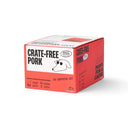
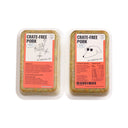
Cooked Crate-free Pork (Dog Food)
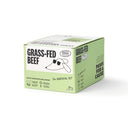
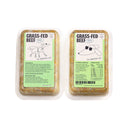
Cooked Grass-fed Beef (Dog Food)
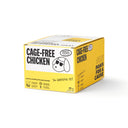
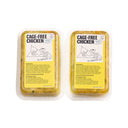
Cooked Cage-free Chicken (Dog Food)
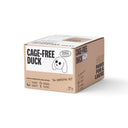
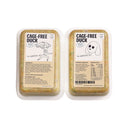
Cooked Cage-free Duck (Dog Food) Sold out
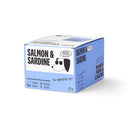
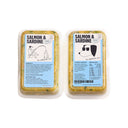
Cooked Salmon & Sardine (Dog Food)
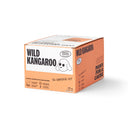
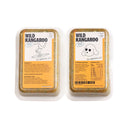
Cooked Wild Kangaroo Meat (Dog Food)
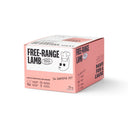
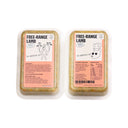
Cooked Free-range Lamb (Dog Food)


Cooked Mix (Dog Food) - 8-Tray Set
Gently Cooked At 80°C
It’s love at first bite with our gently cooked dog food, a delicious homemade tasting fresh diet for dogs that is scientifically balanced. Freshly made in Singapore, our complete and balanced cooked meals for dogs are packed with plenty of nutrients and made with only the good stuff: quality muscle meat, organs, fresh vegetables, botanicals and superfoods.
Read More
Why Cooked Dog Food?
Cooked dog food are meals made from fresh ingredients that are lightly cooked to preserve nutrients while ensuring food safety. Unlike heavily processed kibble, gently cooked meals typically retain more natural moisture and flavour, making them easier for many dogs to digest.
Compared to other feeding formats, cooked food sits comfortably between raw diets and highly processed dry food. Dry kibble is convenient but often undergoes high-temperature processing that can reduce nutrient quality. Raw diets, on the other hand, preserve natural ingredients but may not suit every dog or household due to handling requirements.
Gently cooked meals offer a balanced alternative. By preparing food at controlled temperatures, they help preserve essential nutrients while improving digestibility and safety. For dogs with sensitive stomachs, picky appetites, or owners seeking a fresh and convenient feeding option, cooked diets can provide a practical solution. Many pet owners exploring fresh food benefits for pets find that gently cooked meals strike the right balance between nutrition, safety, and convenience.
Types of Cooked Dog Food You Can Choose
Cooked dog food comes in several varieties, allowing pet owners to choose meals best suited to their pup's dietary needs.
Human-grade cooked food uses ingredients that meet human food safety standards, offering greater transparency in sourcing and preparation.
Some diets are grain-inclusive, incorporating grains such as rice or oats for energy and fibre. Others are grain-free, which may be preferred by dogs with certain sensitivities.
Cooked meals are also often categorised by protein source, such as chicken, beef, pork, lamb, or kangaroo. Rotating between proteins can provide nutritional variety while helping owners manage potential allergies.
Benefits of Cooked Food for Dogs
Cooked dog food supports digestive health, as lightly cooked proteins and vegetables are often easier for dogs to break down and absorb. This may help improve stool consistency and gut comfort.
They are also naturally moisture-rich, which can help support hydration and overall metabolic health.
Finally, gently cooking food helps retain key nutrients while eliminating potential pathogens. When comparing cooked vs gently-cooked, lower cooking temperatures are often preferred because they help preserve more nutritional value.
Cooked Dog Food vs Raw Dog Food
| Feature | Cooked Dog Food | Raw Dog Food |
|---|---|---|
| Preparation | Lightly Cooked | Uncooked Ingredients |
| Nutrient Levels | Some losses, especially heat-sensitive vitamins | Largely unchanged |
| Digestibility | Easy to digest | Requires some adaptation |
| Handling | Easy storage and serving | Requires careful handling |
| Safety | Reduced pathogen risk | Requires strict hygiene |
How to Select the Right Cooked Dog Food
Choosing the right cooked food starts with understanding your dog’s individual needs. Factors such as life stage, activity level, allergies, and sensitivities should guide your decision.
Look for gently cooked meals that provide balanced nutrition, clear ingredient lists, and protein appropriate for your furry friend. Understanding labels and portion guidelines can also help ensure your dog receives the nutrients they need.
Feeding Guidelines
Feeding amounts vary depending on your dog’s size, age, and activity level. As a general guideline, many adult dogs consume approximately 2–3% of their body weight per day, however daily portions should be adjusted based on body condition and energy needs. If in doubt you can find out the feeding portion for your dog based on their weight and body condition with our Food Calculator.
When transitioning your pup to cooked dog food, consider complementing their meals with nutritious additions like bone broth, which can support hydration and flavour.
Storage, Handling & Serving Tips
Cooked dog food should be stored in the refrigerator or freezer to maintain freshness. Portions can be further stored in dedicated pet food storage containers and then thawed in the fridge before serving to help keep meals organised and maintain food safety. Unfed portions of cooked dog food stored in the fridge should be fed within 24 hours and 48 hours respectively.
Frequently Asked Questions
- What is cooked dog food?
Cooked dog food refers to fresh meals made from whole ingredients that are lightly cooked to improve digestibility and safety. - Is cooked food better than dry food?
Cooked food typically contains more moisture and fewer processing steps than kibble, though the best diet depends on your dog’s needs. - Cooked or Gently cooked - What's better?
Lower-temperature cooking helps preserve nutrients while still ensuring food safety. - Can cooked dog food help sensitive stomachs?
Many dogs with digestive sensitivities find gently cooked meals easier to digest. - How much cooked food should my dog eat?
Feeding amounts vary by weight, activity level, and life stage. Always adjust portions based on your dog’s condition.