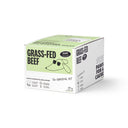
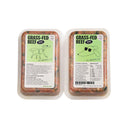
Raw Grass-fed Beef (Dog Food)
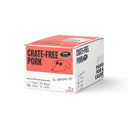
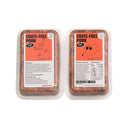
Raw Crate-free Pork (Dog Food)
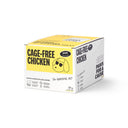
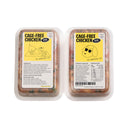
Raw Cage-free Chicken (Dog Food)
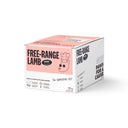
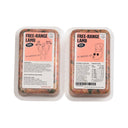
Raw Free-range Lamb (Dog Food)
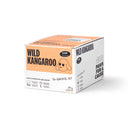
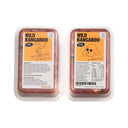
Raw Wild Kangaroo (Dog Food)
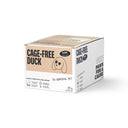
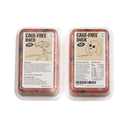
Raw Cage-free Duck Meat (Dog Food)


Raw Mix (Dog Food) - 8-Tray Set
Frozen Premade Raw Dog Meals
Discover our 100% natural, raw dog food formulated according to BARF (biologically appropriate raw food) principles, based on an ancestral meat-based diet for dogs.Available online in Singapore, our premade frozen raw dog food is always prepared locally and hygienically, flash frozen for safety and convenient storage.Balanced with the right mixture of nutrition from raw, lean muscle meat, nutritious organs, fresh vegetables and superfoods, our raw meals are suitable for dogs of all sizes.
Read More
Why Choose Raw Feeding for Your Dog?
Often referred to as Biologically Appropriate Raw Food (BARF) or Prey Model Raw (PMR) diets, raw feeding focuses on fresh, minimally processed ingredients such as raw meat, organs, bones or a source of calcium, and vegetables in carefully balanced proportions. The meals are designed to closely resemble the nutritional composition of their undomesticated ancestor's diets.
Dogs with food sensitivities or owners seeking to transition to a more natural feeding approach will appreciate the level of ingredient control and nutritional clarity that is difficult to achieve with conventional processed diets. Raw dog food from The Grateful Pet contains recognisable ingredients, no fillers, and minimal additives, making it the unequivocally more transparent and healthier alternative.
Types of Raw Dog Food Available
When choosing a raw diet, it’s important to consider your dog’s size, age, activity level, and any existing dietary sensitivities to ensure the food supports their individual nutritional needs.
Complete raw meals are nutritionally balanced formulas designed to provide all the nutrients a dog needs in a single serving. These meals are typically formulated using a combination of muscle meat, organs, bones or a source of calcium, and supportive ingredients to ensure nutritional completeness.
Some owners prefer single-protein raw diets, which contain only one type of animal protein. These options can be helpful for dogs with food sensitivities or allergies, as they make it easier to identify and avoid problematic ingredients.
There are also mixed-protein raw meals, which combine multiple protein sources to provide variety and a broader nutritional profile. These may be suitable for healthy adult dogs who benefit from a more diverse diet.
Benefits of Raw Dog Food for Digestion, Coat & Energy
The most commonly reported fresh food benefits for pets include improved digestion, smaller stools of better quality, improved gut health, visibly shinier and healthier cots, and steady energy levels throughout the day when transitioning to a balanced raw diet.
While results can vary from dog to dog, these visible improvements are among the reasons many owners explore raw feeding as part of a balanced nutrition plan.
How to Transition Your Dog to a Raw Diet
Transitioning to a raw diet should be done gradually to allow your dog's digestive system time to adjust.
It's best to start by mixing a small portion of raw food with your dog’s current diet, slowly increasing the proportion of raw food over several days. This phased transition helps minimise digestive upset while allowing your dog to adapt to the new ingredients.
During this period, it’s important to monitor your dog’s stool consistency, appetite, and overall behaviour. Mild digestive changes may occur initially, but these typically stabilise as the digestive system adjusts.
Note that dogs with especially sensitive stomachs or existing health conditions may benefit more from slower transitions.
How Much Raw Food Should You Feed?
As a general guideline, many adult dogs consume approximately 2–3% of their body weight per day in raw food. If in doubt you can find out the feeding portion for your dog based on their weight and body condition with our Food Calculator. Highly active dogs, growing puppies, and underweight dogs may require larger portions, while less active dogs may require smaller servings.
Because every dog is different, feeding portions should be adjusted based on body condition, energy levels, and overall health. Consistently monitoring your dog’s weight and physical condition can help account for any fluctuations and ensure they receive the right amount of food.
When in doubt, please consult a veterinarian or pet nutrition professional to help determine the most appropriate feeding plan.
Storage, Handling & Feeding Tips
Proper storage and handling are essential with raw dog food to ensure both safety and freshness.
Raw meals should be stored in the freezer until ready to use. When needed, portions can be thawed safely in the refrigerator before feeding. Once thawed, raw food should be stored in an air tight container kept in the fridge and consumed within 24 hours to maintain quality and minimise spoilage.
As with any raw food handling, good hygiene practices are important. This includes washing hands, cleaning feeding bowls, and sanitising preparation surfaces after handling raw meals.
Following these simple precautions helps ensure raw feeding remains a safe and hygienic option for your dog.
Frequently Asked Questions About Raw Feeding
- What is raw dog food?
Raw dog food refers to diets made from uncooked, minimally processed ingredients such as raw meat, organs, bones, and vegetables, typically formulated to reflect a biologically appropriate diet for dogs. - Is Raw Dog Food safe?
When sourced from reputable suppliers and handled properly, raw dog food can be safely incorporated into a dog’s diet. Proper storage, thawing, and hygiene practices are important to maintain food safety. - Do dogs live longer on a raw diet?
While many pet owners report improvements in overall wellbeing, longevity depends on many factors including genetics, overall health, exercise, and balanced nutrition. A well-formulated, balanced diet is key regardless of feeding style. - What raw foods can dogs eat?
Dogs can safely consume a variety of raw ingredients including muscle meats, organs, certain bones, and selected vegetables when provided as part of a nutritionally balanced diet.